

Local residents and boaters have likely noticed high water creeping higher up shoreline access points, docks and low-lying roads. It's that time of year again, and keeping an eye on water levels is key whether you're navigating the waterways or just moving around local neighborhoods.
Understanding King Tides and Flood Tides
King tide is the term for the highest predictable tides of the year, occurring most often between September and November when the moon is closest to Earth. Along our coasts, the incoming tide that pushes water onto land is called a flood tide. During king tide season, those daily flood tides reach their peak, driving extra water deep into coastal marshlands and estuaries.
The Silver Lining: An Angler's Paradise
While extreme water surges can mean nuisance flooding on land, anglers view these high-water events very differently. Extra depth lets fish push way back into flooded marsh grass to feed on fiddler crabs, snails and other food they don't often reach.
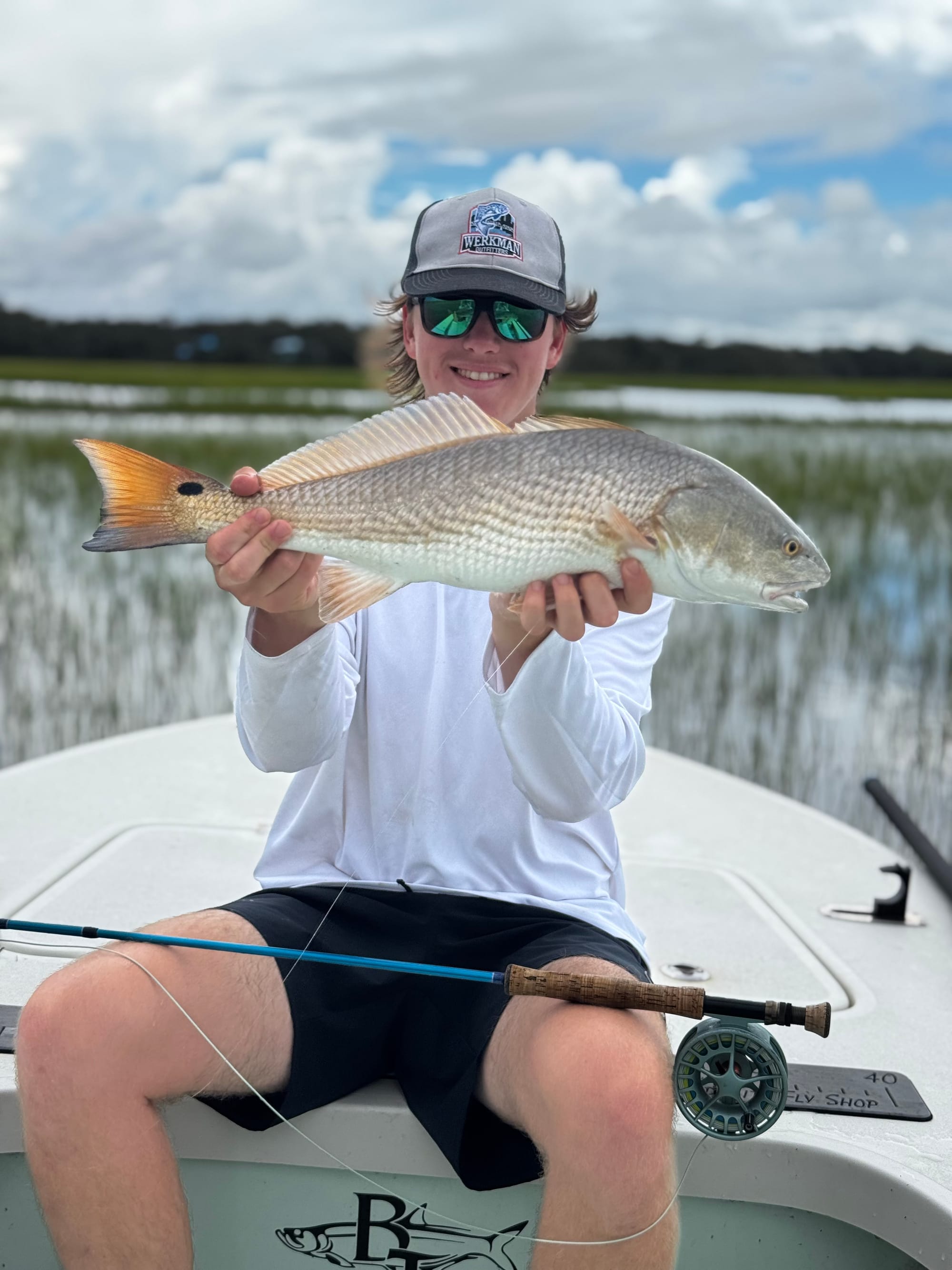
Henry Beenen (@creek_creeper_jax), a Jacksonville Beach high school student and aspiring charter captain, has seen the impact firsthand out on the water:
"Flood tide has been great since the first east wind of the season. Crazy amounts of fish!"
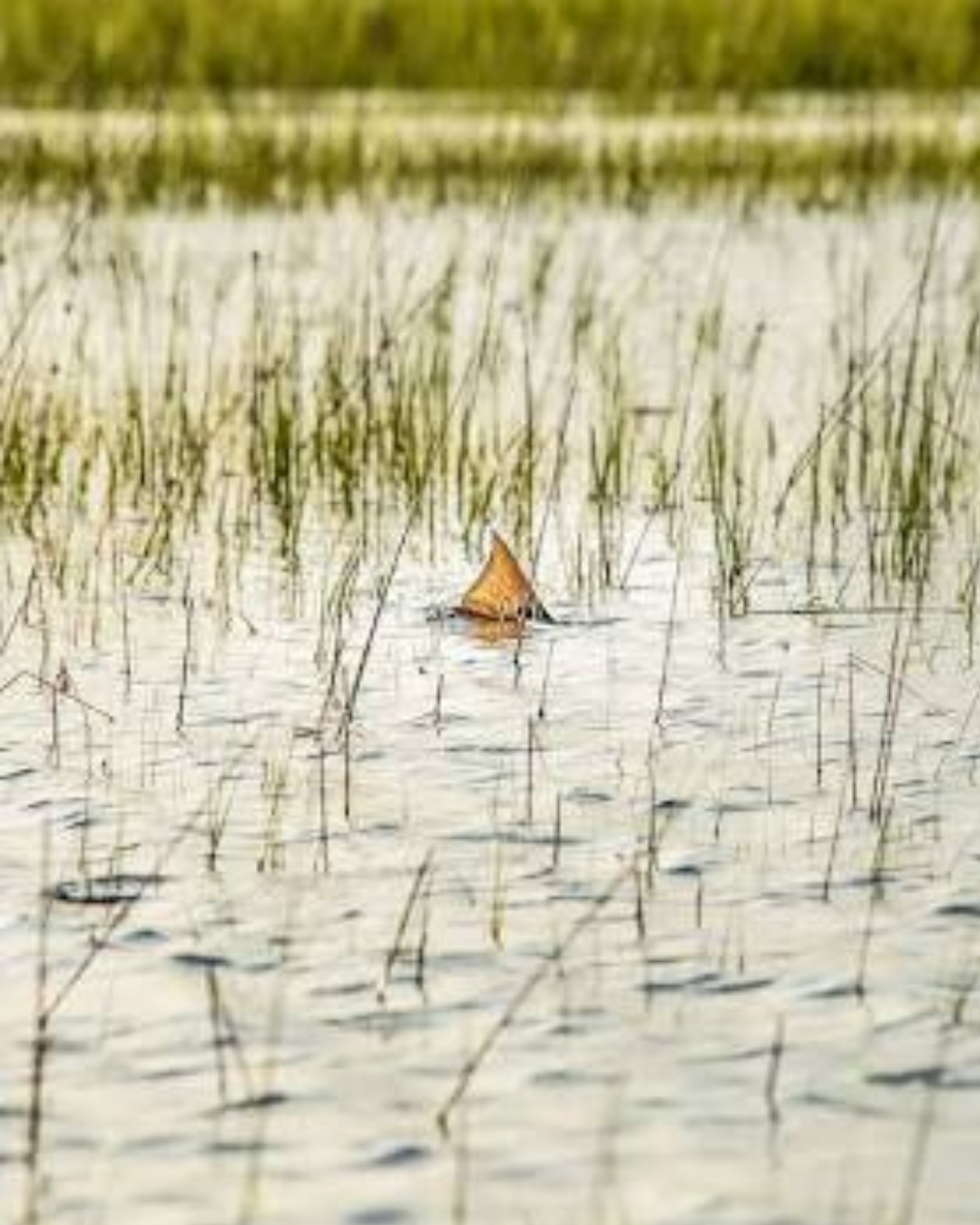
To target slot-sized redfish during a flood tide, push pole or drift silently along shallow grass flats during the peak water levels. These big tides often hold water high for up to two hours past high tide. Keep your eyes peeled for exposed tails breaking the surface as fish root through the grass, then pitch your bait a few feet ahead of their nose for an explosive strike in the skinny water.
Whether you're grabbing a fishing rod or just watching local water conditions for safety, king tides are a major seasonal event along our coast. Keep an eye on local tide charts, watch the wind directions and stay safe out on the water and roads over the coming weeks!


