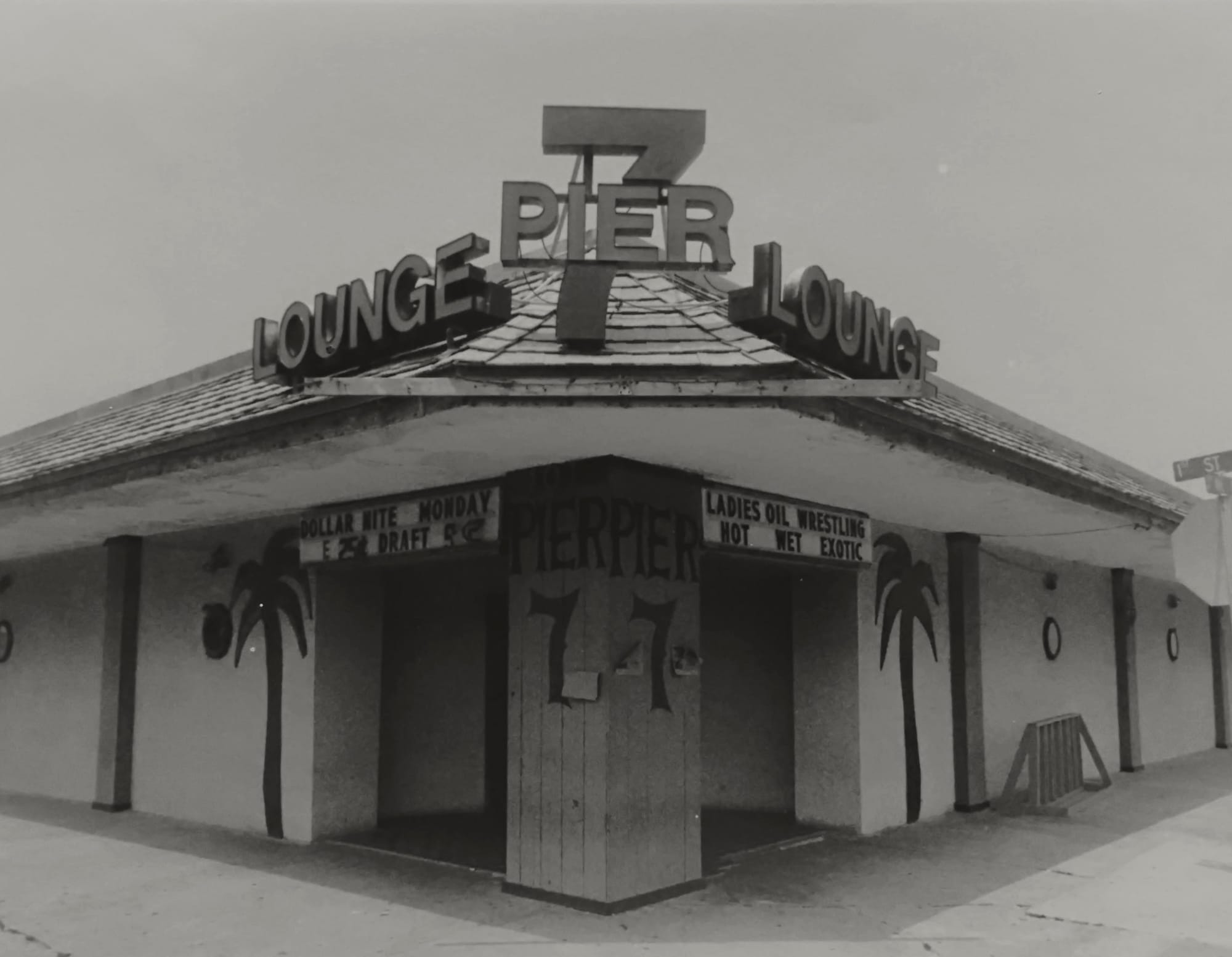
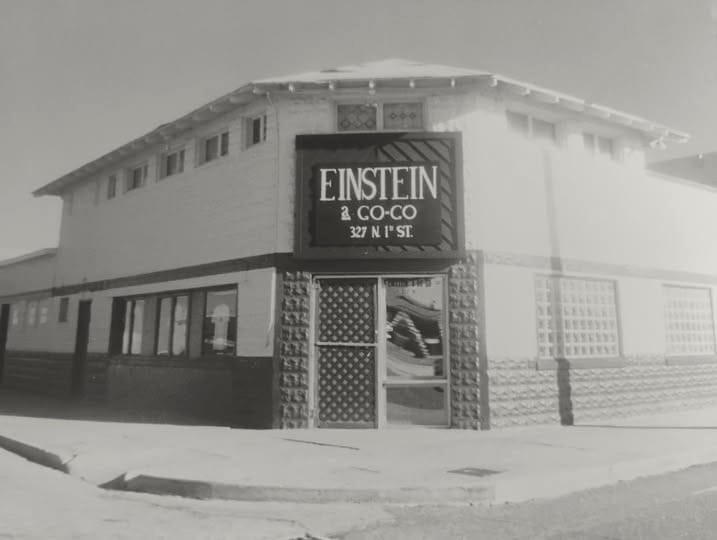
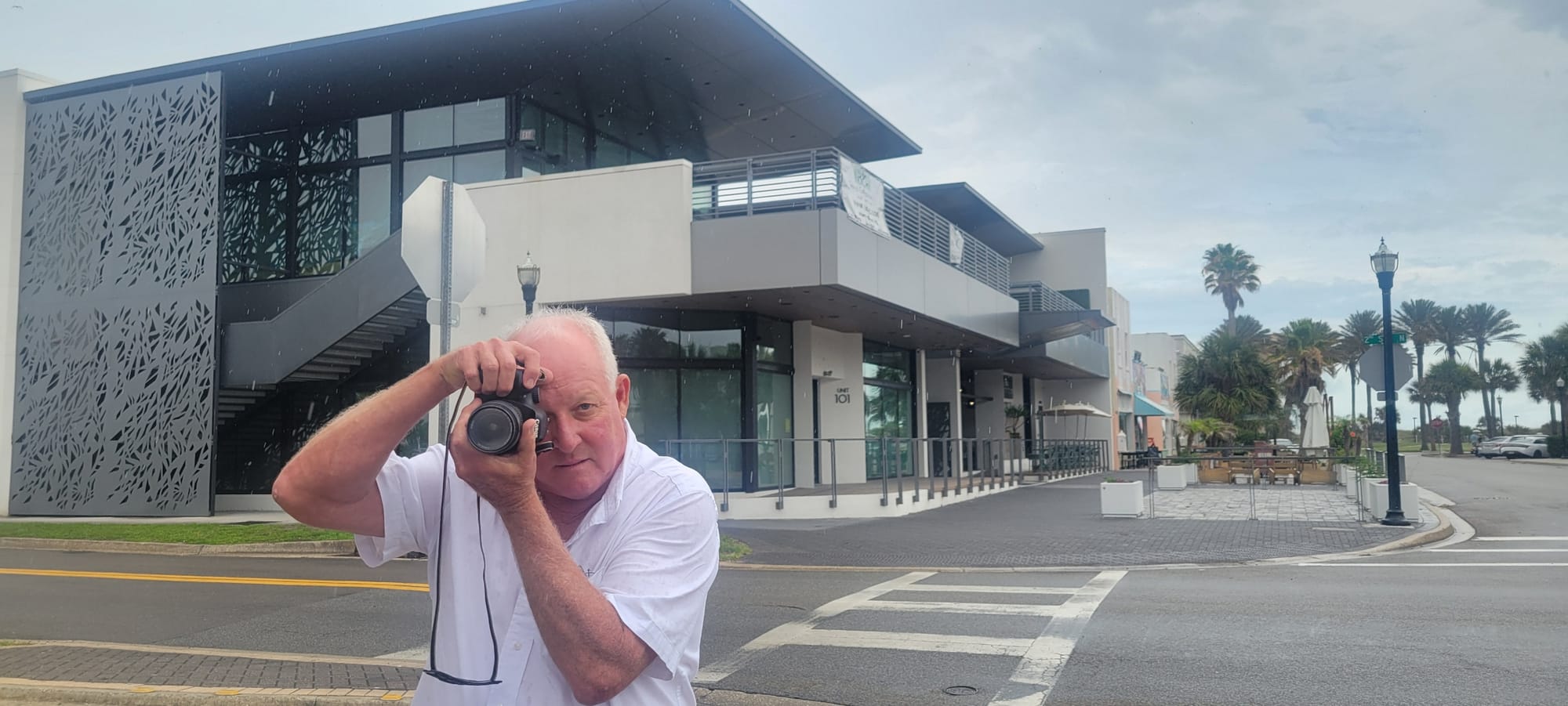
Carl Miller knows what it takes to create visual interest in a photograph. With a sharp eye and the right angle, he can capture a familiar subject in a new light.
For nearly half a century, Miller has trained his lens on many of the Beaches' most iconic landmarks from the old Jacksonville Beach Pier to the legendary Pete's Bar. But he also created lasting images of the everyday landscapes that offer a unique perspective of the evolution of a sunburnt beach town to a thriving coastal destination.
Now, 40-odd years later, Miller is experiencing a renaissance as social media is breathing new life into his historic images. It was a simple time marked by wooden beach shacks weathered by salt and sun, an uninterrupted horizon and a landscape defined more by dunes than development.
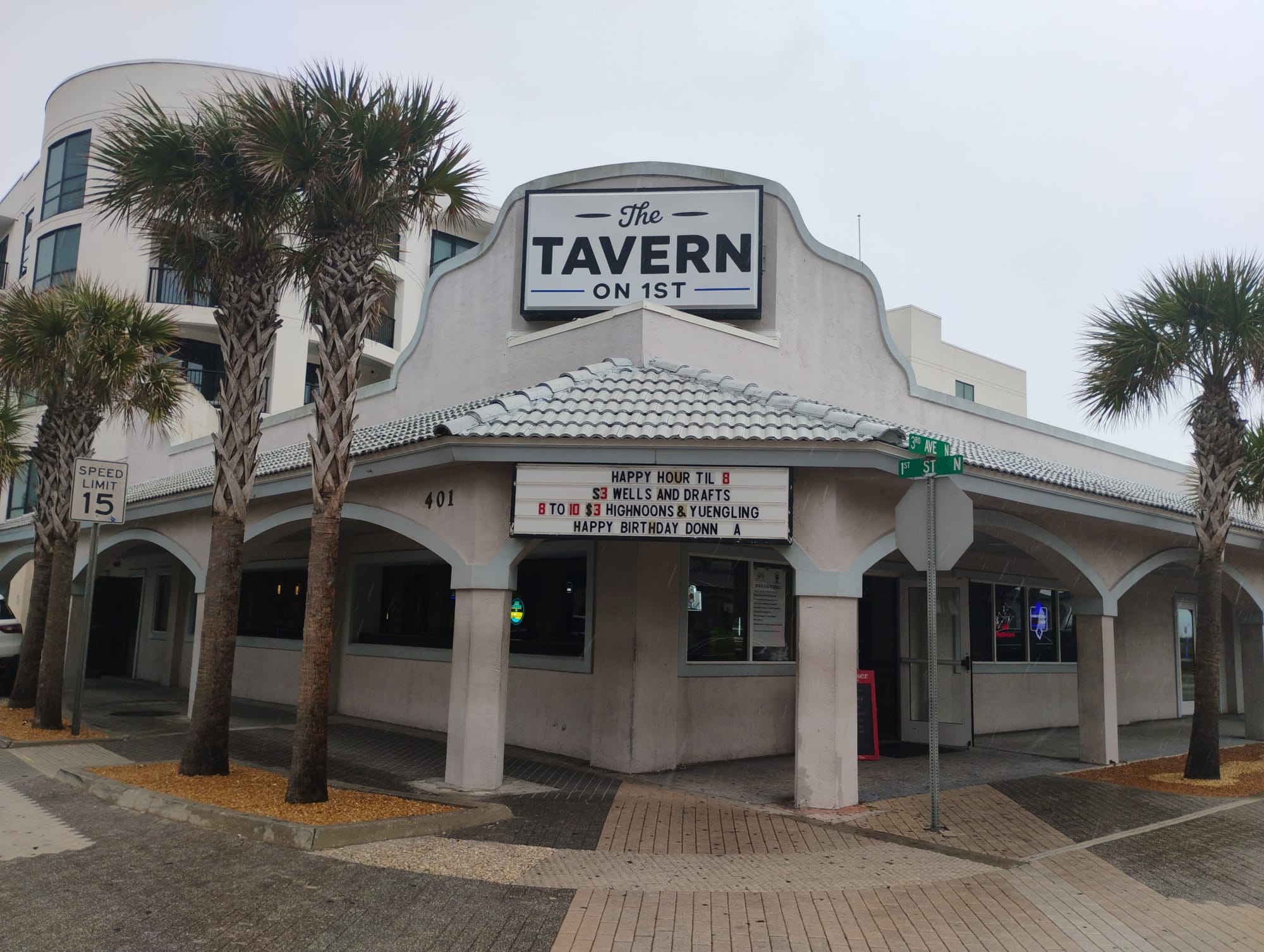
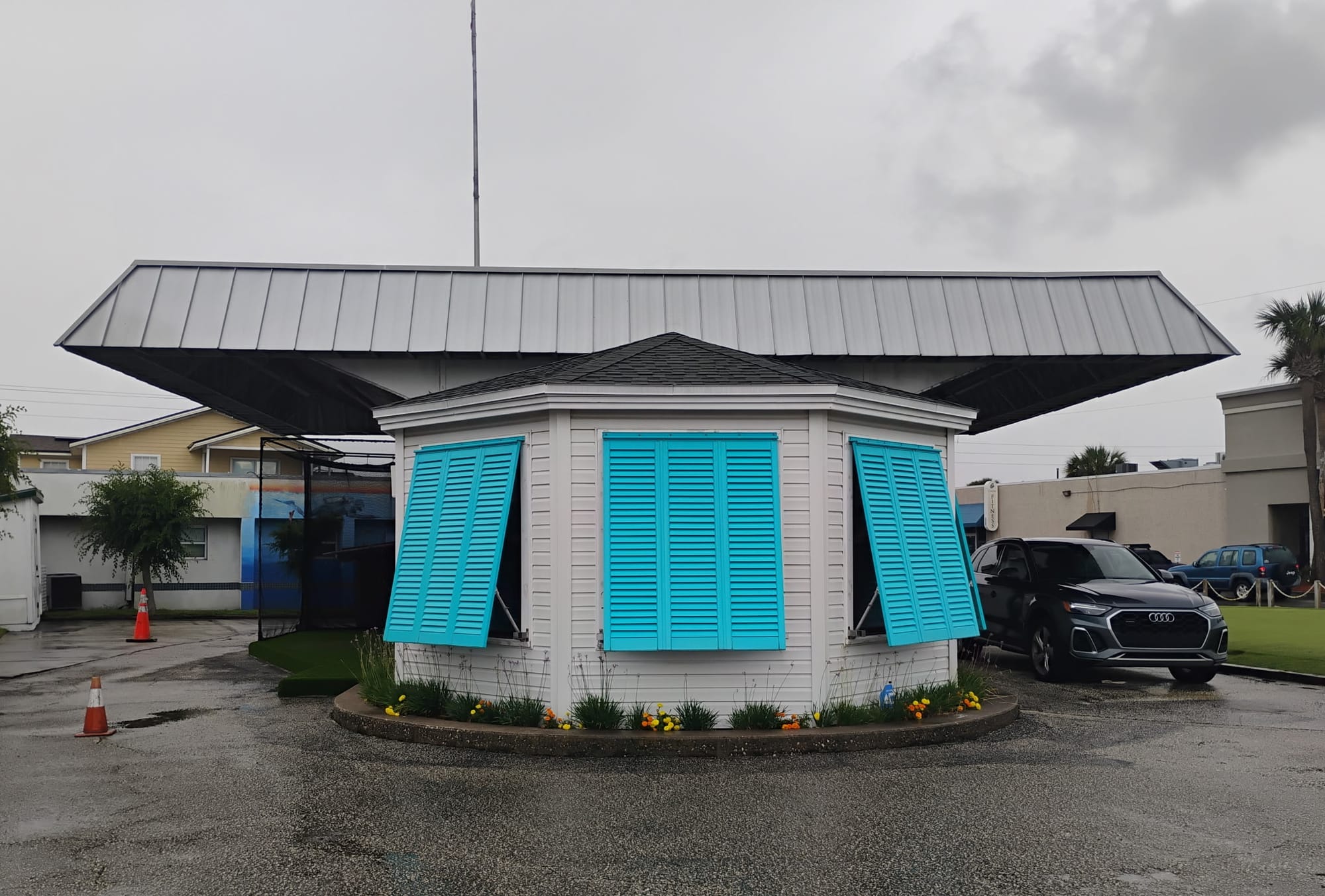
While the footprint remains largely the same in some frames, others are barely recognizable.
"That's what's striking a memory in people with these pictures. They are remembering back to when things were simpler," said Miller. "The beach was a sleepy little town, but we could tell that things were changing."
The demand for nostalgia is almost more than he can meet as a single artist who hand-cuts each image at his Vilano Beach home.
Miller discovered that his work had struck a chord on social media by sheer happenstance. Having no digital presence, he created a profile to view a boat listed on Marketplace. He ended up reconnecting with a friend he hadn't seen in more than 50 years.
"This woman said 'I bought this picture at an estate sale. Does anybody know who Carl Miller is? Does 1983 sound about right?' Then I saw my picture of the crowded beach with the Ferris wheel looking down the boardwalk," he said. "I said, 'Yeah, I took that picture.'"
Sue Taylor purchased the photo for her husband, Brad, to remind him of home while he was working overseas.
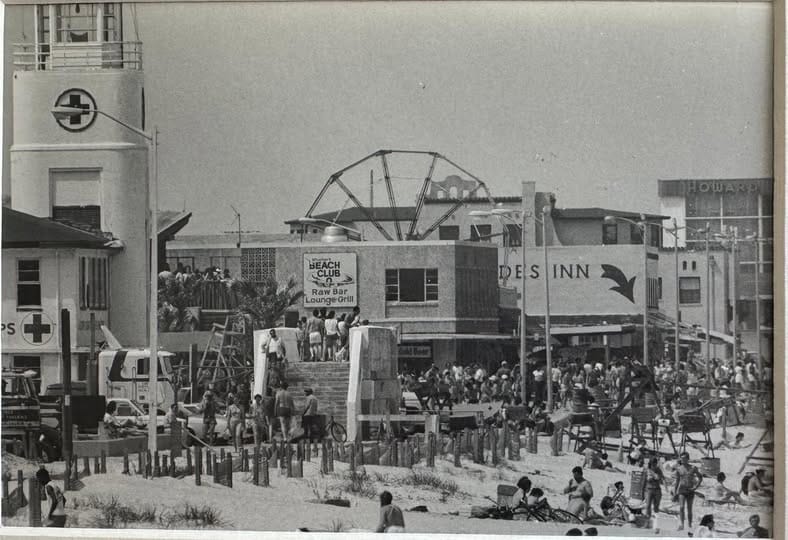
"I took that photograph in 1983 from the [Jacksonville Beach] pier with an 800 mm lens. I was working at The Beaches Leader and we ran it on the front page," Miller said in one of the photo's 214 comments. "The amusement park on the boardwalk was closed but they hadn't disassembled the Ferris wheel yet. I sold those prints at First Street Gallery in Neptune Beach for years."
Miller's work also received its fair share of detractors; many convinced that the images were AI-manufactured. "They were like, 'This isn't real. The buildings aren't that close together,' but a telephoto lens compresses everything together," he said.
Yet each time he posted a photo, they continued to draw traffic and hundreds of comments from people charmed by the nostalgic images that are available at Sunrise Surf Shop in Jacksonville Beach.
Owner Dan Brooks restocks the most popular images as often as he can, but most of the time, they sell out faster than Miller can deliver. The first 30 pictures were sold out in two days.
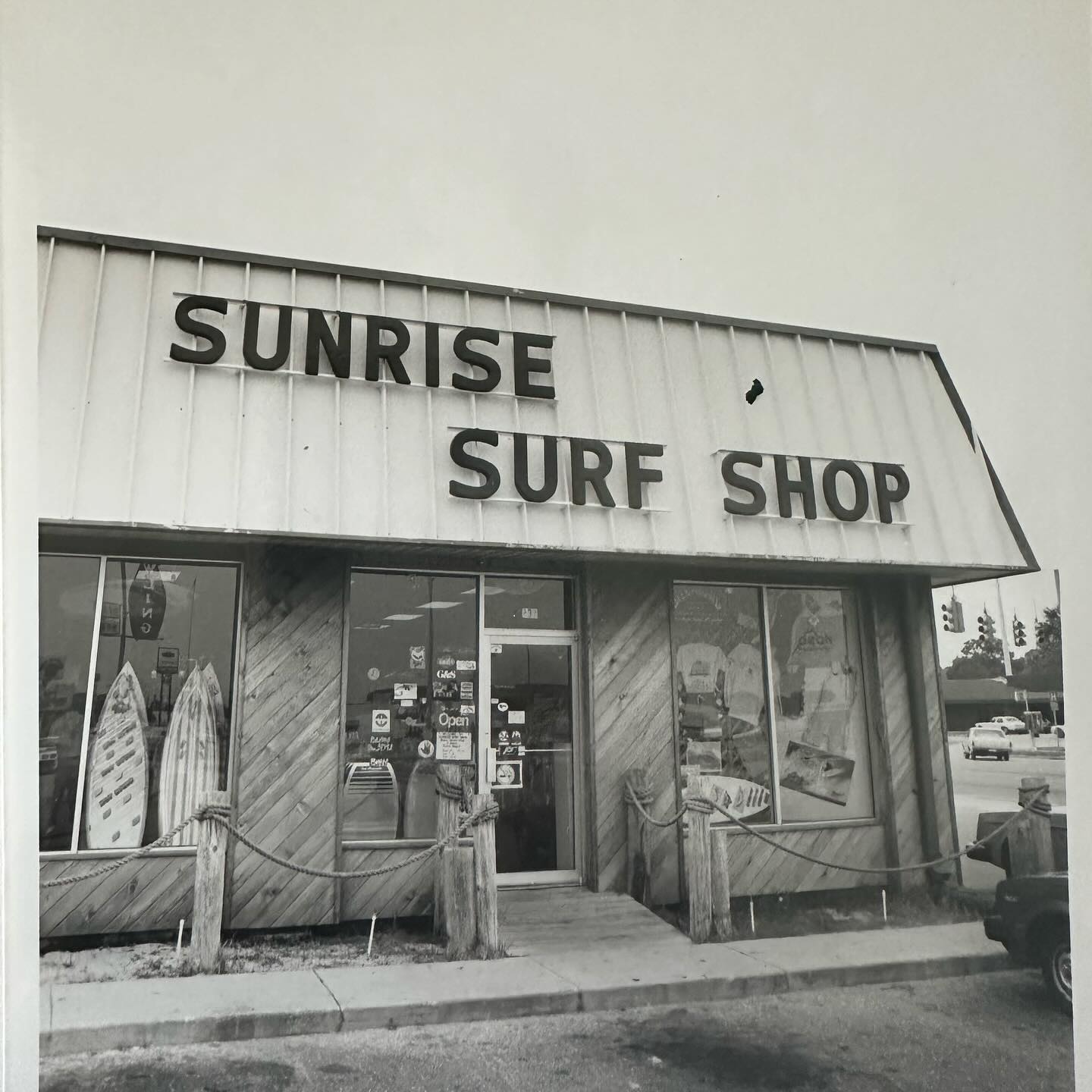
Brooks said Miller was one of a handful of photographers documenting the early surf culture, and he developed the images by hand in his home. "As long as I've known Carl, he's had a camera by his side," he said. "His library is so vast and his work speaks for itself. It takes us back to a time when life was simple and just fun. It evokes good memories. I think that's the nucleus of it all."
After graduating with a photography degree from the University of North Florida, he found his calling, shooting photos for local news outlets from the Sun Times and The Beaches Leader to the alternative newspaper Folio Weekly.
Armed with a camera and a sense of curiosity, he began documenting life at the beach. Riding his bike through the streets, Miller started to view life through a different lens.
Working at a community newspaper gave Miller the opportunity to document some significant changes at the Beaches in real time. The transformation from Campbell's Pharmacy to the Ragtime Tavern in 1983 was a once-in-a-lifetime shot.
"Someone called me at the paper and said, 'Hey, they are tearing the front off the building. You need to get down there.' Mr. Morton was out there with a big sandblaster at the front end, and I couldn't get the right angle," he said. "Mr. Morton came up and said, 'Carl, do you want me to move this big compressor so you can get a better shot?' I had one frame left in my camera."
Adding a red filter for contrast, Miller lined up and pressed the shutter.
"You could have knocked me over with a feather. Dana White, who was the art director of the Sun Times, said, 'Did you get the shot?' I just walked back into the darkroom and developed the film and put it on her desk. We ran an 8-by-10 on the front page," he said.
Miller's early experience writing a surf column for his high school paper inspired him to recreate the model for The Beaches Leader. To sweeten the deal, he locked in ads from the surf shops before proposing a column and photos to Leader publisher Bill Dryden. It was a bargain he couldn't refuse.
"I went around to all the surf shops and said, 'If I do this, will you guys buy an ad?' They all said, 'Yeah, sure,' so I went into Bill's office and told him what I wanted to do. He said, 'I don't think so,'" Miller recalled. "I told him, 'Look, I've already sold all the ads. All [Dryden's daughter] Abigail had to do was pick them up,'" he said.
Miller still has the yellowed tear sheets of his early work; his words and images surrounded by the ads he sold that paid for the page and earned him $25. Back then, he earned $5 for any photos printed on the inside pages and $10 for a front-page shot.
He developed his images at the old Leader office at 710 Third St. N. The darkroom had an old photostat, or "stat," camera used prior to the age of digital publishing to create halftone images for print.
On Monday mornings, Miller would drop a contact sheet on the desk of editor Fred DeSapio, who would circle the images he had selected for the week.
He eventually launched his own freelance photography business and moved over to the Sun Times. "I was just doing what I loved. I didn't have the foresight to think that 40 years later I would be selling these pictures," said Miller, who still hand-cuts and mats each photo at his kitchen table.
"That's the thing about these pictures. It's nice to be able to look back at where we grew up and relive those memories."
One of the most popular images features the facade of Pete's Bar, reminiscent of an '80s Friday night with people milling around on the sidewalk, all waiting to see what was next. It's a testament to his ability to visualize a shot before it happened, anticipating the perfect alchemy of elements lining up at the precise moment like a storm cloud rolling across the oceanfront.
Today, Miller's images tell the story of the community's natural contours redefined by growth and development and provide a photographic record of what was lost and what has endured.
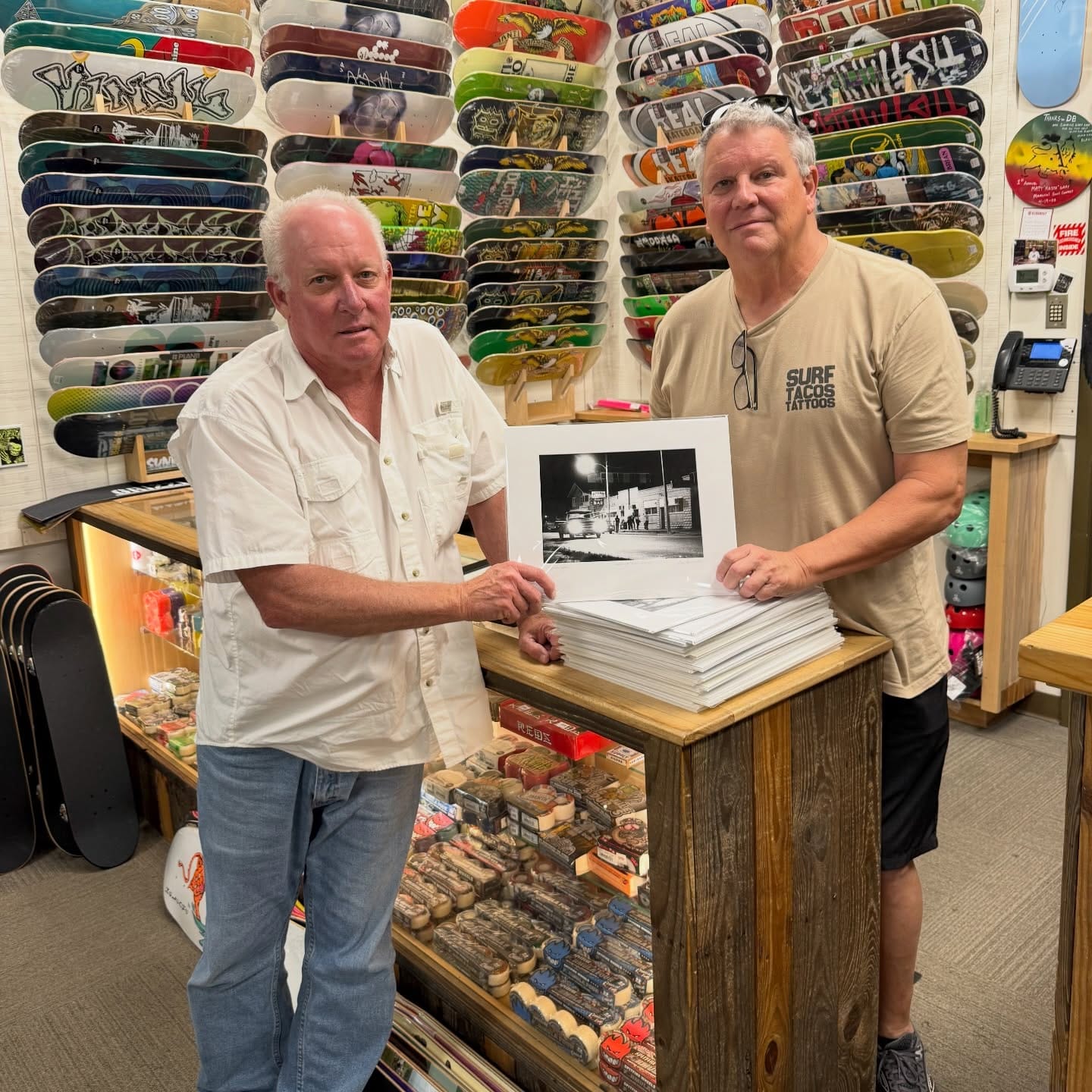
"Anybody could buy a camera, but Carl's shots are really pure," said Brooks. "It's cool that he captured a lot when we were just kids. The Beaches have changed so much since then, but his work is timeless."
More images of change by Carl Miller